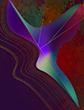
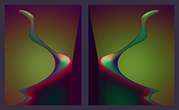
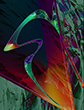
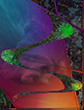
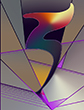
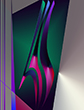
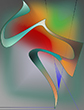
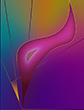
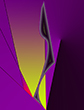
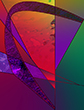
All Fine Art Giclée Paintings by Curtis R Doll Jr - Fine Artist curtisrdolljr

All Fine Art Giclée Paintings by Curtis R Doll Jr - Fine Artist curtisrdolljr

All Fine Art Giclée Paintings by Curtis R Doll Jr - Fine Artist curtisrdolljr

orders@curtisgraphics.com

chat with us


Tifereth Israel Video  | 2  | 3


on love  |  The Lark Ascending
Stained Glass  |  Google  |  Bing

Artmajeur  |  ArtPal  |  Facebook
Pinterest  |  Instagram  |  LinkedIn  |  x
Curtis on Cambridge Who's Who
Metaphysical Light  |  Chelan Harkin

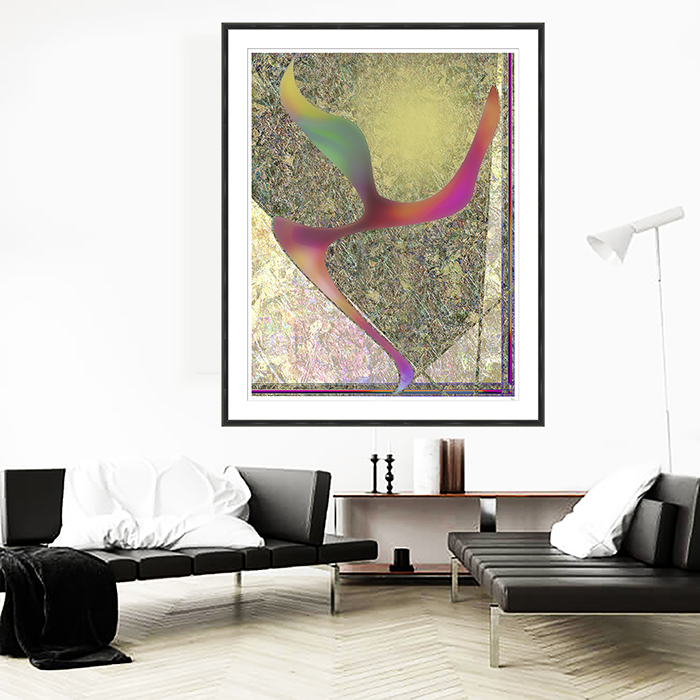
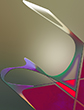
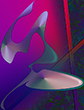
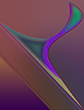
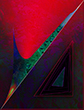
"Discover enthralling Giclée Paintings by Curtis R Doll Jr, where ancient worlds meet contemporary vision. Inspired by the enigmatic energy of megalithic landscapes and the boundless expression of abstract art, Curtis's work invites you on a spiritual journey through expressive form and color. Explore timeless images that resonate with the echoes of ancient cultures, brought to life through a modern artistic lens."

As a teenager, I became fascinated on seeing a series about electrical currents being traced throughout a landscape populated by ancient megalithic structures. "Cumulative evidence proves that megaliths and other ancient sacred places are actually attracting, storing, even generating their own energy field, creating the kind of environment where one can enter an altered state of consciousness." In art school, I simultaneously became enamored with the freedom of expression and inspiration abstract imagery allows. And during this time, I began my spiritual journey through meditation, literature, music, poetry, and later, dance. Melding these enthralling constructs has been a driving force beneath my creative process throughout my life. Read more here.

"The heart is the path of experienced knowing rather than conceptual knowing. So it feels more resilient, and there’s no need, when you have an experience of the heart, there’s really no need to defend it as there can be with ideology. And it’s the path of empathy and deep compassion and tenderness and power and inspiration." It’s all contained within love. - Chelan Harkin

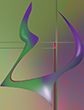
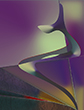
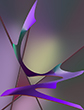
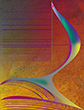
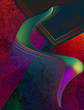
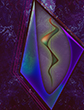
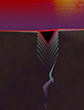
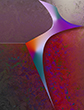
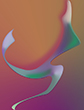
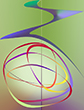
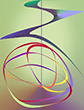
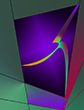
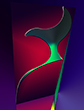
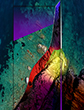
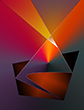
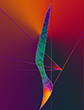
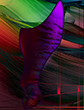
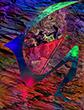
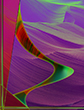
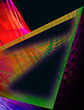
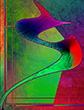
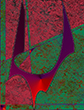
With thousands of paintings to choose from, they are all experiments in color, texture, organic, and geometric form. But ultimately, my creative function is simply instinctual, based on my knowledge of compositional factors.

Introduction | Pricing Policy | Commissions Policy | Returns Policy | Privacy Policy | Fraud Alert

gallery 1 | gallery 2 | gallery 3 | gallery 4 | gallery 5


experiments

experiment.9.b.9.9.8


experiments

experiment.9.b.9.9.7


experiments

experiment.9.b.9.9.6


experiments

experiment.9.b.9.9.5


experiments

experiment.9.b.9.9.4


experiments

experiment.9.b.9.9.3b


experiments

experiment.9.b.9.9.3


experiments

experiment.9.b.9.9.2


experiments

experiment.9.b.9.9.1a


experiments

experiment.9.b.9.9


experiments

experiment.9.b.9.8


experiments

experiment.9.b.9.7


experiments

experiment.9.b.9.6


experiments

experiment.9.b.9.5


experiments

experiment.9.b.9.4


experiments

experiment.9.b.9.3b


experiments

experiment.9.b.9.3


experiments

experiment.9.b.9.2


experiments

experiment.9.b.9.1


experiments

experiment.9.b.9


experiments

experiment.9.b.8


experiments

experiment.9.b.7


experiments

experiment.9.b.6


experiments

experiment.9.b.5


experiments

experiment.9.b.4


experiments

experiment.9.b.3


experiments

experiment.9.b.2


experiments

experiment.9.b.1


experiments

experiment.9.b


experiments

experiment.8.b.9.9.9


experiments

experiment.8.b.9.9.8


experiments

experiment.8.b.9.9.7


experiments

experiment.8.b.9.9.6


experiments

experiment.8.b.9.9.5


experiments

experiment.8.b.9.9.4


experiments

experiment.8.b.9.9.3


experiments

experiment.8.b.9.9.2c


experiments

experiment.8.b.9.9.2b


experiments

experiment.8.b.9.9.2


experiments

experiment.8.b.9.9.1


Cézanne's Artistic Philosophy: Beyond the Surface Paul Cézanne, a French post-impressionist painter, is renowned for his innovative approach to artistic representation. His work laid the groundwork for the transition from the 19th-century conception of artistic endeavour to a new and radically different world of art in the 20th century. Yet, to truly grasp the magnitude of his influence, one must delve into Cézanne's artistic philosophy. This philosophy transcends the surface of his paintings, seeping into the very fabric of what we perceive as modern art.

Following are some of Cézannes' thoughts on art theory which I have revised just a bit for clarity relative to our contemporary understanding of aesthetics.

Sensibility refers to an acute awareness, perception, and responsiveness to art, beauty, emotions and tastes. It involves a delicate appreciation for art, beauty, and refined tastes. In the context of the following, it refers to an acute perception of the vast variety of multitudinous nuances of color, composition and aesthetics.

Cézanne Speaks: The Logic of Organized Sensations.

Art is the revelation of an exquisite sensibility. The artist objectifies his sensibility, his inborn distinction.

Sensibility characterizes the individual; at the height of perfection it distinguishes the artist. A high degree of sensibility is the best possible disposition for any beautiful conception of art.

The nobility of the conception reveals the spirit of the artist.

The artist makes things concrete and gives them individuality.

The artist experiences a sense of joy in being able to communicate to others the enthusiasm he feels in front of the masterpiece of nature, or the conception one is exploring, whose mystery he believes he understands.

Genius is the ability to renew one's emotions in daily experience.

For the artist, to see is to conceive and to conceive is to compose.

For the artist does not note one's emotions as the bird modulates its sounds: he composes.

The significance of art is not to be seen in the universality of its immediate results. Art is a religion; its aim is the elevation of thought.

Whoever lacks a taste for the absolute (that is perfection) contents himself with placid mediocrity.
One judges the excellence of a mind by the originality with which it develops its ideas.

An intellect with a powerful ability to organize represents the most precious collaboration which a sensibility can have in its efforts to realize a work of art.

Art is an adaptation of things to our needs and tastes.

The technique of art comprises a language and a logic.

An artistic formula is perfect when it is adequate for the character and grandeur of the subject, or concept being interpreted or explored.

Style is not created through servile imitation of the masters; it proceeds from the artist's own particular way of feeling and expressing himself.

We can judge the artist's elevation of spirit and conscience by the manner in which an artistic idea is rendered.

The search for novelty and originality is an artificial need which barely conceals banality and absence of temperament.

Line and relief do not exist. Drawing and painting are a relation of contrasts, or simply the relation of various colors.


experiments

experiment.8.b.9.9


experiments

experiment.8.b.9.8


experiments

experiment.8.b.9.7


experiments

experiment.8.b.9.6


experiments

The Lark Ascending Poem


experiments

The Womb


experiments

The Tempest


experiments

The Mirror


experiments

Olam


experiments

The Lark Ascending


experiments

Lydian Measures


experiments

The Lark Sojourns


experiments

experiment.8.b.9.5


experiments

experiment.8.b.9.4


experiments

experiment.8.b.9.3


experiments

experiment.8.b.9.2


experiments

experiment.8.b.9.1


experiments

experiment.8.b.9


experiments

experiment.8.b.8


experiments

experiment.8.b.7


experiments

experiment.8.b.6


experiments

experiment.8.b.5


experiments

experiment.8.b.4


experiments

experiment.8.b.3


experiments

experiment.8.b.2


experiments

experiment.8.b.1


experiments

experiment.8.b


experiments

experiment.7.b.9.9.9


experiments

experiment.7.b.9.9.8


experiments

experiment.7.b.9.9.7


experiments

experiment.7.b.9.9.6


experiments

experiment.7.b.9.9.5


experiments

experiment.7.b.9.9.4


experiments

experiment.7.b.9.9.3


experiments

experiment.7.b.9.9.2


experiments

experiment.7.b.9.9.1


experiments

experiment.7.b.9.9


experiments

experiment.7.b.9.8


experiments

experiment.7.b.9.7


experiments

experiment.7.b.9.6


Light and shade are a relation of colors; the two principle accidentals differ not by dint of their general intensity, but rather their own specific sonority. Color is a silent visual vibration just as musical notes are audible vibrations.

The form and contour of objects or abstract forms are given to us by those oppositions and contrasts which result from their particular colorations.

Pure drawing is an abstraction. Drawing and color are not distinct, everything in nature is colored. Remember, Black, White and the Gray Scale are also colors.

Insofar as one paints, one draws. Accuracy of color establishes both light and modeling for an object or abstract form at the same time. The greater the harmony of color, the greater the precision of the drawing or painting.

Contrasts and relations of colors, — there lies the secret of drawing and painting.

Nature exists in depth. Between the painter and his model exists a plane — atmosphere. Bodies perceived in space are all convex.

Atmosphere forms the unchanging background, a screen on which all oppositions of color, all accidentals of light dissolve. It constitutes the atmosphere of the painting by contributing to its synthesis and general harmony.

One can say therefore that to paint is to contrast and in using the many contrasts of color, elements and principles of design, to compose.

There is neither light nor dark painting, only relations of colors. When these are applied with precision, harmony is immediately established. The more numerous and varied they are, the greater the effect and the more pleasing they are to the eye.

Painting, like any art, comprises a technique, a workmanlike handling of material, but the accuracy of color, and the felicitous combination of effects depend entirely on the choices made by the artist.

The artist does not perceive every relation directly: one senses them. Style comes from precise sensation and full realization.

Painting is the art of combining effects, that is to say establishing relationships among colors, contours and planes.

Method is clarified through contact with nature and the development of acute perception of the innumerable nuances of color. It develops through circumstances. It consists in the search for a way of expressing how one feels, in the organization of these feelings into a personal aesthetic.

A priori, the schools do not exist. The overriding question concerns art in itself.

To look upon nature is to discern the character of one's model or conception. Painting does not mean slavishly copying the object: it means perceiving harmony amongst numerous relationships and transposing them into a system of one's own by developing them according to a new, original logic.

To make a picture is to compose.


experiments

experiment.7.b.9.5


experiments

experiment.7.b.9.4


experiments

experiment.7.b.9.3


experiments

experiment.7.b.9.2


experiments

experiment.7.b.9.1


experiments

experiment.7.b.7b


experiments

experiment.7.b.9


experiments

experiment.7.b.8


experiments

experiment.7.b.7


experiments

experiment.7.b.6


experiments

experiment.7.b.5


experiments

experiment.7.b.4


experiments

experiment.7.b.3


experiments

experiment.7.b.2


experiments

experiment.7.b.1


experiments

experiment.7.b


experiments

experiment.6.b.9.9.9


experiments

experiment.6.b.9.9.8


experiments

experiment.6.b.9.9.7


experiments

experiment.6.b.9.9.6


experiments

experiment.6.b.9.9.5


experiments

experiment.6.b.9.9.4


experiments

experiment.6.b.9.9.3


experiments

experiment.6.b.9.9.2


experiments

experiment.6.b.9.9.1


experiments

experiment.6.b.9.9


experiments

experiment.6.b.9.8


experiments

experiment.6.b.9.7


experiments

experiment.6.b.9.6


experiments

experiment.6.b.9.5


experiments

experiment.6.b.9.4


experiments

experiment.6.b.9.3


experiments

experiment.6.b.9.2


experiments

experiment.5.b.9.9.9.ab


experiments

experiment.6.b.9.1


experiments

experiment.6.b.9


experiments

experiment.6.b.8


experiments

experiment.6.b.7


experiments

experiment.6.b.6


experiments

experiment.6.b.5


Gothic art is deeply inspiring; it belongs to the same family as we do.

Let us read nature; let us realize our sensations in an aesthetic that is at once personal and traditional. The strongest will be one who sees most deeply and realizes fully.

Painting from nature is not copying the object, it is realizing one's sensations.

There are two things in the painter, the eye and the mind; each of them should aid the other. It is necessary to work at their mutual development, in the eye by honing ones perception of the multifarious nuances of color, in the mind by the logic of organized sensations which provides the means of expression.

To read nature and perceive color is to see it, as if through a veil, in terms of an interpretation in patches of color following one another according to a law of harmony. These major hues are thus analyzed through modulations. Painting is classifying one's sensations of color.

There is no such thing as line or modeling; there are only contrasts. These are not contrasts of light and dark, but the contrasts given by the sensation of color. Modulation is the outcome of the exact relationship of colors. When they are harmoniously juxtaposed and complete, the painting develops form of its own accord.

One should not say model, one should say modulate.

Shadow is a color as light is, but less brilliant; light and shadow are only the relationship of various colors. Warm colors come forward while cool colors recede. Warm colors placed on the convex area of a body and cool colors placed on the receding shadow side of a form create an object as seen in depth.

Everything in nature is modeled on the sphere, the cone, the cylinder, and the cube. One must learn to paint from these simple forms; it will then be possible to do whatever one wishes. Drawing and color are not separate at all; in so far as you paint you draw. Remember Black, White, and the entire Gray Scale are also colors. The more the color harmonizes, the more exact the drawing or painting becomes. When the color achieves richness, the form attains its fullness also. The contrasts and connections of color — there you have the secret of drawing and painting and form.

The effect is what constitutes a painting. It unifies a painting and concentrates it. The effect must be based on the existence of a dominating patch.

It is necessary to be workmanlike in art. To get to know one's way of realization early. To paint in accordance with the qualities of painting itself. To use materials crude and pure.

It is necessary to become classical by way of nature, that is to say through sensation.

It is all summed up in this: to possess sensations, to read nature, and to develop an acute perception of the vast nuances of color.


experiments

experiment.6.b.4


experiments

experiment.6.b.3


experiments

experiment.6.b.2


experiments

experiment.6.b.1


experiments

experiment.6.b


experiments

experiment.5.b.9.9.9.a


experiments

experiment.5.b.9.9.8


experiments

experiment.5.b.9.9.7


experiments

experiment.5.b.9.9.6


experiments

experiment.5.b.9.9.5


experiments

experiment.5.b.9.9.4


experiments

experiment.5.b.9.9.3


experiments

experiment.5.b.9.9.2


experiments

experiment.5.b.9.9.1


experiments

experiment.5.b.9.9


experiments

experiment.5.b.9.8


experiments

experiment.5.b.9.7


experiments

experiment.5.b.9.6


experiments

experiment.5.b.9.5


experiments

experiment.5.b.9.4


experiments

experiment.5.b.9.3


experiments

experiment.5.b.9.2


experiments

experiment.5.b.9.1


experiments

experiment.5.b.9


experiments

experiment.5.b.8


experiments

experiment.5.b.7


experiments

experiment.5.b.6


experiments

experiment.5.b.5


experiments

experiment.5.b.4


experiments

experiment.5.b.3


experiments

experiment.5.b.2


experiments

experiment.5.b.1


experiments

experiment.5.b


experiments

experiment.4.b.9.9.9.b


experiments

experiment.4.b.9.9.9


experiments

experiment.4.b.9.9.8


experiments

experiment.4.b.9.9.7


experiments

experiment.4.b.9.9.6


experiments

experiment.4.b.9.9.5


experiments

experiment.4.b.9.9.4


Many find Paul Cézanne's paintings beautiful due to his masterful use of color using cool and warm colors to achiece form in objects and depth of field in landscapes, exploration of light and shadow, and an innovative approach to composition, which emphasized geometric forms and created a sense of depth and three-dimensionality. His distinctive style and vision, which involved abstracting nature into geometric shapes and using vibrant color palettes, had a profound impact on modern art, influencing movements like Cubism and Fauvism.

Key Characteristics of His Work -
Geometric Forms: Cézanne's work is characterized by the simplification of nature into bold, geometric shapes, particularly seen in his landscapes and still lifes.

Vibrant Colors: He used vibrant, distinct colors to build form and volume, departing from traditional tonal modeling. His use of cool colors to suggest shadows, forms and landscapes receeding into the distance contrasted by warm colors suggesting convex forms and objects coming forward within the envelope of the atmosphere are innovations he and the Impressionists perfected together.

Light and Shadow: Cézanne's skillful interplay of light and shadow added depth and a sense of volume to his paintings.

Innovative Composition: He was a master of composition, using techniques like multiple perspectives in still lifes, such as his famous The Basket of Apples, to challenge traditional ideas of representation.

Impact and Legacy: Cézanne is often referred to as the "father of modern art" because his techniques paved the way for many modern movements, including Cubism and Fauvism.

Influence on Other Artists: Artists like Pablo Picasso and Henri Matisse recognized his foundational contribution to art.

Examples of His Work - Mont Sainte-Victoire series: Depicts his local mountain in various seasons and conditions, showcasing his interest in perspective and changing light.

The Basket of Apples: A still life that demonstrates his innovative approach to color, composition and the use of geometric forms.

Boy in a Red Vest: A portrait that uses a vibrant red vest to contrast with muted tones and captures the subject's introspective calm.


experiments

experiment.4.b.9.9.3


experiments

experiment.4.b.9.9.2


experiments

experiment.4.b.9.9.1


experiments

experiment.4.b.9.9


experiments

experiment.4.b.9.8


experiments

experiment.4.b.9.7


experiments

experiment.4.b.9.6


experiments

experiment.4.b.9.5


experiments

experiment.4.b.9.4


experiments

experiment.4.b.9.3.b


experiments

experiment.4.b.9.3


experiments

experiment.4.b.9.2


experiments

experiment.4.b.9.1


experiments

experiment.4.b.9


experiments

experiment.4.b.8


experiments

experiment.4.b.7


experiments

experiment.4.b.6


experiments

experiment.4.b.5


experiments

experiment.4.b.4


experiments

experiment.4.b.3


experiments

experiment.4.b.2


experiments

experiment.4.b.1


experiments

experiment.4.b


experiments

experiment.3.b.9.9.9


experiments

experiment.3.b.9.9.8


experiments

experiment.3.b.9.9.7


experiments

experiment.3.b.9.9.6


experiments

experiment.3.b.9.9.5


experiments

experiment.3.b.9.9.4


experiments

experiment.3.b.9.9.3


experiments

experiment.3.b.9.9.2


experiments

experiment.3.b.9.9.1


experiments

experiment.3.b.9.9


experiments

experiment.3.b.9.8


experiments

experiment.3.b.9.7


experiments

experiment.3.b.9.6


experiments

experiment.3.b.9.5


experiments

experiment.3.b.9.4


experiments

experiment.3.b.9.3


experiments

experiment.3.b.9.2


Please review our site. It's quick and it's easy. Thanks.


gallery 1 | gallery 2 | gallery 3 | gallery 4 | gallery 5


This site has won the 2004 "World Web Award of Excellence" for
originality, overall design and appearance, ease of navigation, and content.

Presented by
The International Association of Web Masters and Designers
In recognition of creativity, integrity and excellence on the Web.

The Art Academy of Paris, in partnership with artcult.com,
has voted to honour this site with its award of excellency.


All images on these pages are copyrighted
© 2025 CurtisGraphics all rights reserved.


CurtisGraphics Design Services