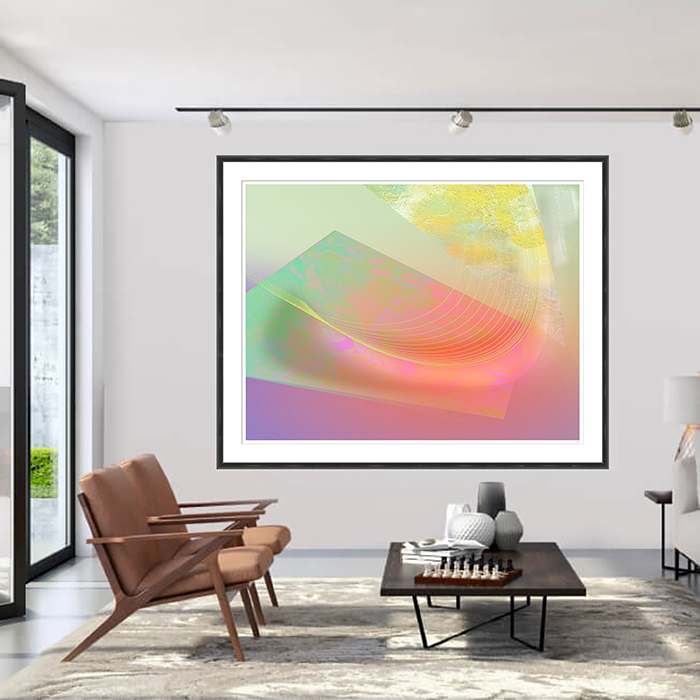
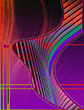
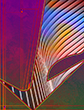
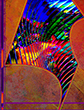
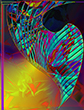
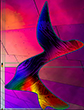
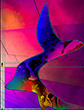
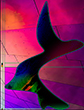
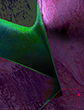
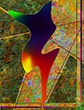
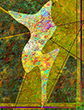
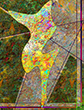
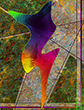
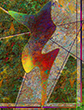
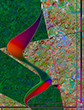
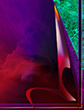
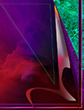
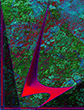
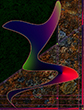
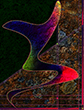
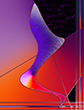
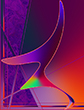
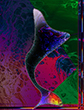
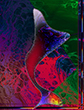
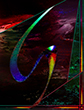
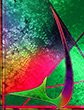
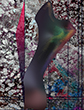
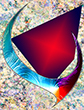
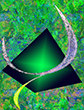
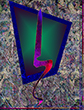
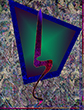
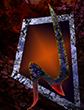
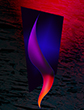
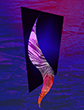
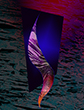
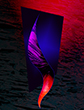
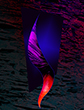
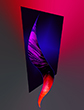
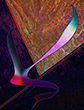
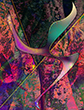
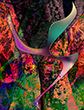
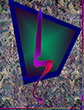
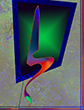
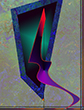
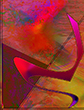
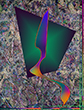
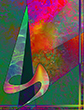
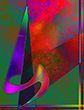
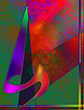
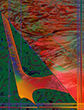
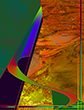
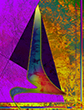
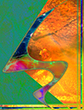
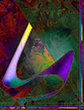
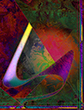
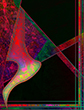
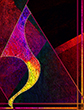
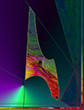
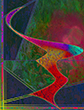
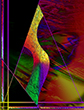
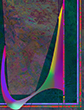
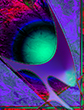
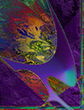
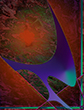
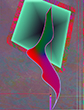
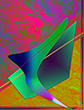
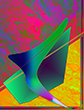
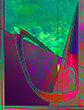
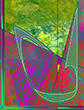
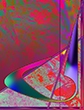
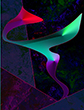
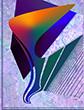
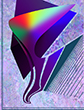
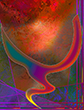
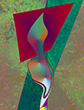
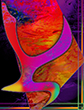
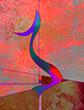
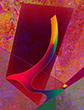
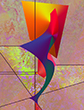
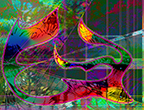
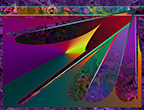
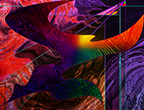
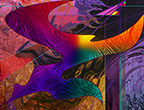
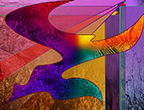
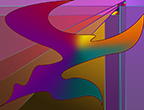
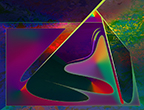
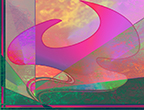
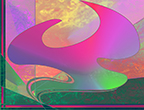
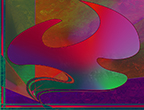
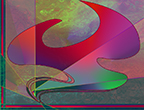
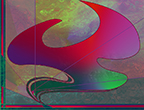
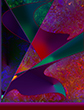
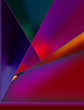
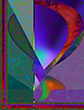
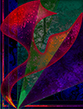
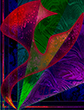
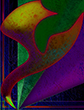
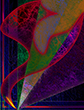
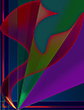
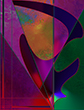
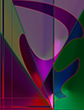
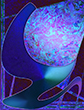
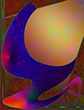
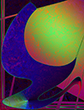
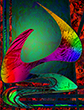
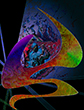
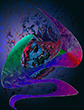
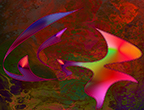
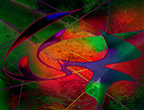
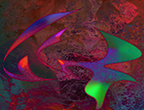
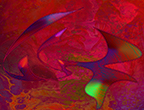
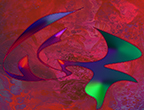
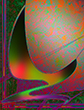
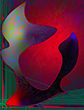
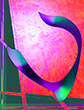
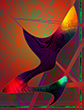
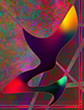
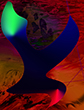
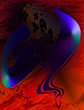
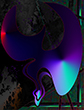
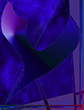
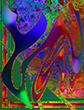
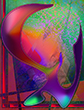
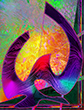
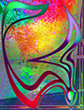
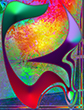
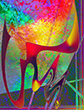
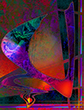
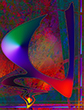
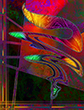
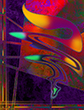
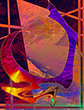
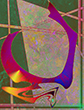
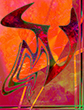
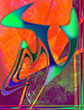
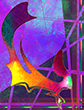
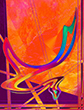
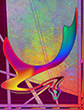
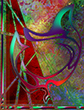
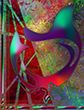
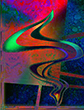
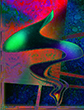
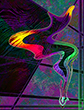
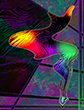
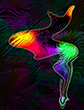
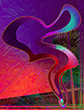
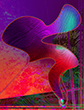
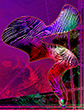
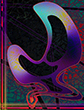
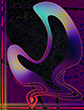
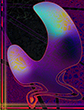
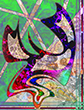
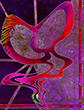
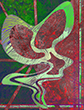
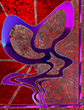
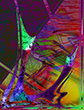
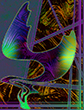
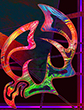
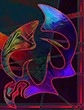
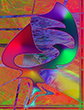
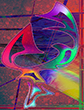
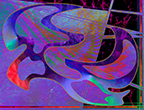
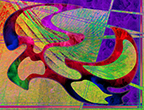
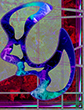
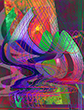
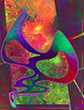
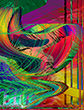
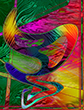
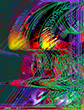
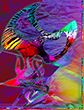
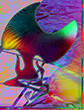
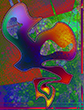
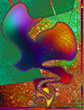
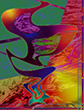
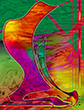
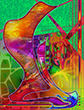
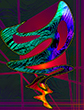
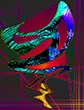
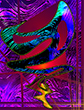
A "Manifesto" on the metaphysical and spiritual meaning behind these works of art asserting that love, light, and beauty are eternal, interconnected truths and are the fundamental elements of the creative spirit and life itself.
Core metaphysical concepts -
- The core metaphysical concepts of love, light, and beauty as eternal truths proposes these are not temporary feelings or phenomena but timeless, universal principles. This idea echoes Platonic philosophy, which holds that concepts like Beauty and Love exist as eternal, perfect "Forms" or Ideas that exist outside of time and space.
The creative spirit as love, light, and beauty links the act of creation directly to these three metaphysical concepts. This suggests that these artworks are not merely a product of the human artist, but a channel for—or an expression of—a divine, universal creative force.
Art as a metaphysical language described as "Metaphysical Symbols" intended to represent eternal truth. The art itself is a form of communication that speaks directly to the soul, bypassing words and speaking a universal spiritual language.
The assertion that "Light opposed to dark is beautiful" positions light as the source of beauty and goodness, a common theme in many spiritual traditions. This idea also suggests that these paintings are meant to dispel spiritual darkness and ignorance. This concept is reinforced by Paul Cézanne's assertion that: "Art is a religion; its aim is the elevation of thought."
The statement "Love is beauty and beauty is love points to the fact that they coexist metaphysically" indicating that these concepts are fundamentally inseparable and interdependent on a spiritual level.
Artistic intention and representation -
- Representing eternal truth in these paintings, the goal is not to create a realistic depiction of the physical world but to offer a symbolic representation of a higher reality. These works are a window into the "eternal, universal soul".
- By focusing on "eternal truths" and "feelings that are beyond time and space," these works are intended to create an experience for the viewer that transcends the temporal and finite.
- The themes of love, light, and beauty are what give life meaning and are as "eternal as the breath of Creation itself". These works are a visual exploration of this belief, encouraging viewers to recognize these truths within themselves and others.
|
Wassily Kandinsky —
To create a work of art is to create the world.
Every work of art is the child of its age and, in many cases, the mother of our emotions.
An empty canvas is a living wonder... far lovelier than certain pictures.
Each period of a civilization creates an art that is specific in it and which we will never see reborn.
To try and revive the principles of art of past centuries can lead only to the production of stillborn works.
There is no must in art because art is free.
The nightmare of materialism, which has turned the life of the universe into an evil, useless game, is not
yet past; it holds the awakening soul still in its grip.
Objects damage pictures.
The more frightening the world becomes ... the more art becomes abstract.
Painting is a thundering collision of different worlds, intended to create a new world in and from the
struggle with one another, a new world which is the work of art.
Each color lives by its mysterious life.
Color is the keyboard, the eyes are the harmonies, the soul is the piano with many strings. The artist is
the hand that plays, touching one key or another, to cause vibrations in the soul.
Color is a power which directly influences the soul.
Color provokes a psychic vibration. Color hides a power still unknown but real, which acts on every part
of the human body.
The sound of colors is so definite that it would be hard to find anyone who would express bright yellow
with base notes, or dark lake with the treble.
The artist must train not only his eye but also his soul.
A painter, who finds no satisfaction in mere representation, however artistic, in his longing to express his
inner life, cannot but envy the ease with which music, the most non-material of the arts today,
achieves this end. He naturally seeks to apply the methods of music to his own art.
The artist is not a ‘Sunday child’ for whom everything immediately succeeds. He does not have the right
to live without duty. The task that is assigned to him is painful, it is a heavy cross for him to bear.
Music is the ultimate teacher.
With few exceptions, music has been for some centuries the art which has devoted itself not to
the reproduction of natural phenomena, but rather to the expression of the artist’s soul, in musical
sound.
The deeper the blue becomes, the more strongly it calls man towards the infinite, awakening in him a
desire for the pure and, finally, for the supernatural... The brighter it becomes, the more it loses its sound,
until it turns into silent stillness and becomes white.
Lend your ears to music, open your eyes to painting, and... stop thinking! Just ask yourself whether the
work has enabled you to ‘walkabout’ into a hitherto unknown world. If the answer is yes, what more do
you want?
Our epoch is a time of tragic collision between matter and spirit and of the downfall of the purely material
world view.
The spirit, like the body, can be strengthened and developed by frequent exercise. Just as the body, if
neglected, grows weaker and finally impotent, so the spirit perishes if untended.
That is beautiful which is produced by the inner need, which springs from the soul.
Is beautiful what proceeds from an inner necessity of the soul. Is beautiful what is inwardly beautiful.
Imagination is what allows your mind to discover.
All methods are sacred if they are internally necessary. All methods are sins if they are not justified by
internal necessity.
|